By Gus Browning, printed in 73 Magazines in 1967-05
reprint by PA0ABM
Gus Browning story, Part 23
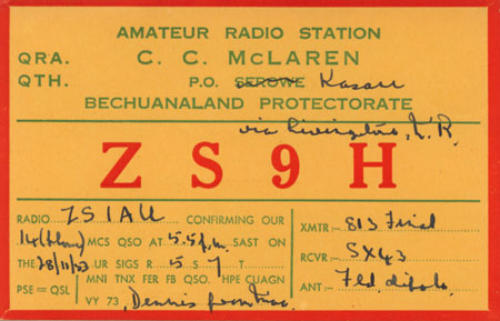
Bechuaniland
This trip from Burundi to Kigoma was a real hair raising experience let me tell
you. Over swinging bridges, over very deep gorges, very bad roads, and no
road signs at all. A great many animals were seen that night, leopards, lions,
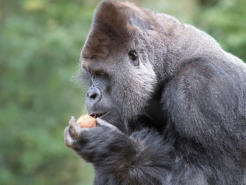
even three gorillas, many, many hyenas and countless other animals, many
of them I don't even know the name of, Some even John said he had never
seen before and mind you he had been down there for a number of years.
The load was just about as bad as the Bhutan/Thimphu road which many of
you have seen my color slides of. We took off with plenty of spare gasoline,
oil, water, a few sandwiches, and two thermos bottles of coffee, all of which
was consumed on the trip to Kigoma. This was by far the worst part of Africa I
have ever seen, before or after, its real "wild country", very prim a live
natives, some half dressed some not dressed at all The men-folk were all
painted with no smiles from any of them either. It was one of those trips that
really gives a car a good going over.
Luckily we had no car trouble, I forget the exact mileage
between the two places. As near as I remember it was
something like 125 miles, and it took us until the next
afternoon to get there, some 15 hours to drive 125 miles—
that's mighty slow progress but it was the best we could do on
that primative road. Things down there are run very odd. The
first thing you do when you get to any village, town or city you
check with the police, even if you are only going to be there a
few minutes or hours. The fact that I was going to leave almost
immediately had nothing to do with this formality. To the police
we went. After a long wait we finally were ushered into the
chiefs office. He was of course a native, wanting to know why
we were there, where were we going, etc. After talking to him
and filling out half a dozen forms we were permitted to depart He told us we were permitted to stay there
only two hours! These people down I here like to throw their authority around when they have a chance,
and this fellow was no exception. He let you know this from the time we entered his office until we
departed (Gladly too!).
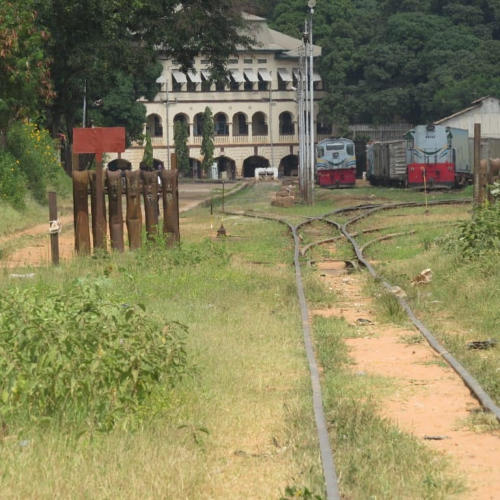
We headed straight for the railway station, stopping at a
market place on the way. I bought a big bunch of very large
bananas for 47c to eat on the train (they lasted all the way
to Johannesburg. South Africa). Funny thing tho, I still love
bananas. After buying the bananas, I tried taking a few
pictures of the market place, and boy this caused quite a
rucus, let me tell you. One well-dressed fellow (a native),
yelled something at me and John in their native tongue and
people started coming our way, with very mean looks on
their faces, John said get in the car and I did and away we
QSY'ed very QRQ. You don't have to understand peoples'
language to know when they are mad— and this fellow
was— MAD— . Boy you very soon learn certain things
down there, and picture taking without their permission is
one thing to not do. They want some shillings for this
permission. Anyway we got to the railway station and I
mean by the time we stood in line with all those other
natives I guess I had absorbed some of the prevailing
smells. With my ticket in my hand we headed for ray cabin on the train, I mean to tell you I just got
settled and away the train departed. I am one of these fellows who hate to be late, but this time we could
only blame that chief of police for delaying us so long in his office and his waiting room.
These people absolutely will not be rushed. Don't lose your time trying to make them speed up. In fact I
dare say that's when they actually slow up. You just grit your teeth and bear with the situation, and try to
figure some other way you will do it the next time. John jumped off the train, saying, "See you from
Bouvet Is." or something like that and the train headed away from Kigoma towards Dar-es-Salaam, I
started off the trip by eating one of those bananas, and saying to myself, Gus, you asked for it and here
it is. You wanted to see Deep Africa. Well you are seeing it and HOW. There was no air conditioning on
this train and there were no first class reservations, etc. You just mingled with the natives. If you don t
like it just GET OFF, the only other way is to WALK. No busses, airlines, no roads, It's that train or walk,
I was headed for a place called Itigi in central Tanganyika where I were going to catch an African bus to
take me in the direction of South Africa,
The trip to Itigi took all night, and about 4 PM the next day
we arrived there. I was smutty, smelly, tired, and probably
looked like the other natives by this time, and I just did not
give a hurrah either. I wanted to, let's say, "go native", and
that's what I had become, or at least that's how I felt about
this time. Off the train and to the bus station I headed with
all my gear and about three bearers loaded up, I watched
them all the way. I could not afford for anything to be
missing when I got to Bouvet. Things have a very bad
habit of disappearing when you travel like I was doing, and
each piece of my luggage was just like a chain. It's no
good if one single item is missing. If it is you are stopped
cold in your tracks. I did not want this to happen to me,
that's why I always stuck very close to my gear. As is usual
in these parts, the bus was late. In fact it was what you might say VERY LATE. The bus I was taking
was from Nairobi. It arrived about two hours late. I had my bus ticket all ready and when it arrived and I
saw all those people waiting for that bus, I made up my mind that I was going to be one of the
passengers on it. I had all my bearers standing by with my luggage and had been instructed what to do.
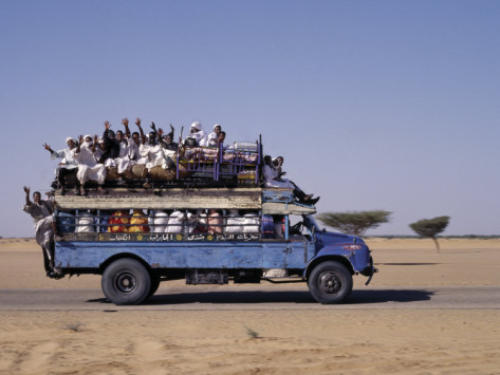
When the bus stopped they immediately piled my stuff on top of it, I handed the bus driver a tip and then
my ticket, he motioned me into the very front seat. About half of those waiting were left behind and the
bus was crammed full with not even room for anyone else to stand.
Remember there are no paved roads in these parts of Africa, at least when I was there thev were not
paved, and I doubt they are right now. The roads is what you might say "like a washboard" and the bus
driver drove at the EXACT SPEED to make each washboard groove felt. I kept thinking of my poor
equipment on top of that bus, bouncing around and numerous loose connections developing to cause
me headaches later on. The top of this bus was really loaded up. Bicycles, boxes, radio gear, chickens,
and many bags containing Lord knows what. Oh yes I brought my bananas along with me from the train.
About this time I ate two of them to sort of get my mind at ease. After a while you get thirsty you know,
now where do you get water from?
The bus finally stopped to unload a few and take on a few more passengers, every one headed for a
well with a rusty bucket and drew up water that was yellow looking, and it even had a sort of evil smell to
me. I had saved a paper cup from the Itigi railway station and filled it full of this rough-looking water and
drew out one of my "water purifier pills" and dropped it in, after shaking it a while the pill dissolved and
down my throat it went* About all I can remember about it was it was wet, warm, nasty but at least it was
water. Natives flagged down the bus along the way and by pushing and shoving once in a while one
more could get in, If I had been blind I could have told you I was in Africa. Everyone was washed down
with sweat, dirt, and lots of clothing I am sure had never been washed. After a while you get to the point
where you just don't smell anything at all. I suppose I sort of smelled like them at this time. I was treated
with respect all the way, they gave me a whole seat, even when the bus was loaded down with only
standing room.
The bus traveled all day and stopped at sundown at one of the "tourist
huts" along the way. It cost me one dollar to spend the night at these
places. They served you a cup of tea when you arrived and in the
morning they would wake you up in time for the bus and gave you
another cup of tea. Fairly good beds with mosquito netting on it were
to be found at each of these places. The bus would usually come and
get me first than go past the little bus station and pick up the other
passengers who had been sleeping on the ground around the bus
station. At lunch time the bus usually took me past one oi the tea
rooms along the way where a fairly good dinner could be had at a fair
price. This was the only good meal I would have each day. During the
late afternoon you know a feller gets hungry, I finally got to the point
where I would down those dried salted little fish and dried salted other
meat along with the natives. It did not give me any trouble that I know
of. This is one time that I "wenl native". I remember we stopped one
day at a roadside tearoom in Northern Rhodesia. The temperature
was around 110 degrees, and this tea room hat I a sign outside
reading, "Admitted only with lie and coat". In I walked in my shorts,
only a white (it was white one time anyway) shirt. They ordered me
out. I tried to explain that the temperature was 110 degrees and was too hot to be wearing a coat and
necktie, that all my clothing was on top of the bus and that I was hungry and wanted some food! This did
no good whatsoever, and I ended up not getting anything from that place. Back I went along with the
natives and ate along with them some more dried fish and that OTHER dried meat, some very hard
bread, very dark and dirty looking stuff. I knew how it was to be not admitted in a high class place. I
even tried offering them double prices to let me eat there. I DID NOT LIKE THIS TREATMENT AT ALL I
must say.
For over three or four days I did not see a white face. I was seeing Africa the hard way, this I must admit.
At every country border the bus stopped and we all went in the little Custom House and always the
questions were about the same. Did I have any firearms, did I have any ammunition, did I have any
alcoholic drinks, did I have any tape recorders, did I have any TRANSISTOR RADIOS. My answer was
of course NO to all these questions. At no one single cheek point was my baggage opened and
inspected. All that radio equipment went all the way from Itigi, Tanganyaki to Johanesburg, South Africa
without once being opened! I guess they figured anyone traveling on an African bus could not have
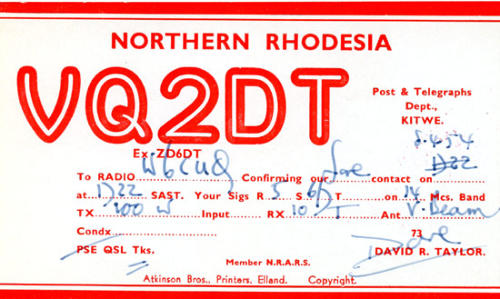
anything of value along with them. My first stop was with Shorty, VQ2EW (I think that's his call), with his
nice wife. Shorty had plenty of cold Cokes in his Fridge (as they call it). I understand that Shorty and his
wife are now back in ZS6 land where he was originally from. He drove me all around showing me the
native quarters, market place, and I met in any of his friends there. Shorty and his wife were very
wonderful hosts to me. I installed my equipment on his operating table and had many a fine QSO with
my friends in the USA and other countries.
I told them about the proposed trip to Bouvet and Tristan
da Cunha and Gough Islands. Shorty had a fine Quad
installed and boy it brought in the results with my rig
connected to it. The SWR was quite high, about three or
four to one as near as I remember, with no noticeable ill
effects as far as I could tell. These fellows down there
have some mighty fine openings to the USA, You should
hear those S-9+++ sigs pouring through, hour after hour
down there. I wish those same fellows would come
through like that over here. I used to listen across the
bands doing a little eave dropping on the fellows.
Sometimes I would hear someone say, "I wonder where
Gus is right now" and I would call them and say I am right
here, "what can I do for you? This kinda shook them up I suppose. But it was lots of fun. I got caught up
on my eating at Shorty's home but time to depart arrived and away I was again, heading for
Johanesburg on that African bus, It was the same old thing all over again only MORE SO! We passed
the tremendous Zambazi Falls which to me looked a lot larger and more rugged than Niagara Falls ever
looked.
It was late in the afternoon when we stopped there and too late to take any pictures. I did take a few but
none of them turned out on account of not enough light. We went through Southern Rhodesia and then
through a portion of Bechuanaland (ZS9) without any stops except to eat. I had no chance to try to get a
"operating permit" there on account of the tight schedule to get to Capetown for that Bouvet island boat
trip. Bechuanaland was a very miserable looking spot, at least the portion we traveled through. After it
came South Africa, It was the most dramatic change of scenery I have ever seen, It was like moving
from Africa of the 1800's to modern-day America, Right at the border the rough washboard, unpaved
road changed to a big wide asphalt highway. It sort of reminded me of half of the New Jersey Turnpike.
Later on I found this type of road was to be found practically all over South Africa. That's it for this month
fellows,
BOUVET HERE I COME.
Gus
Gus Browning, W4BPD

Hams - W4BPD - Gus Brwning 03